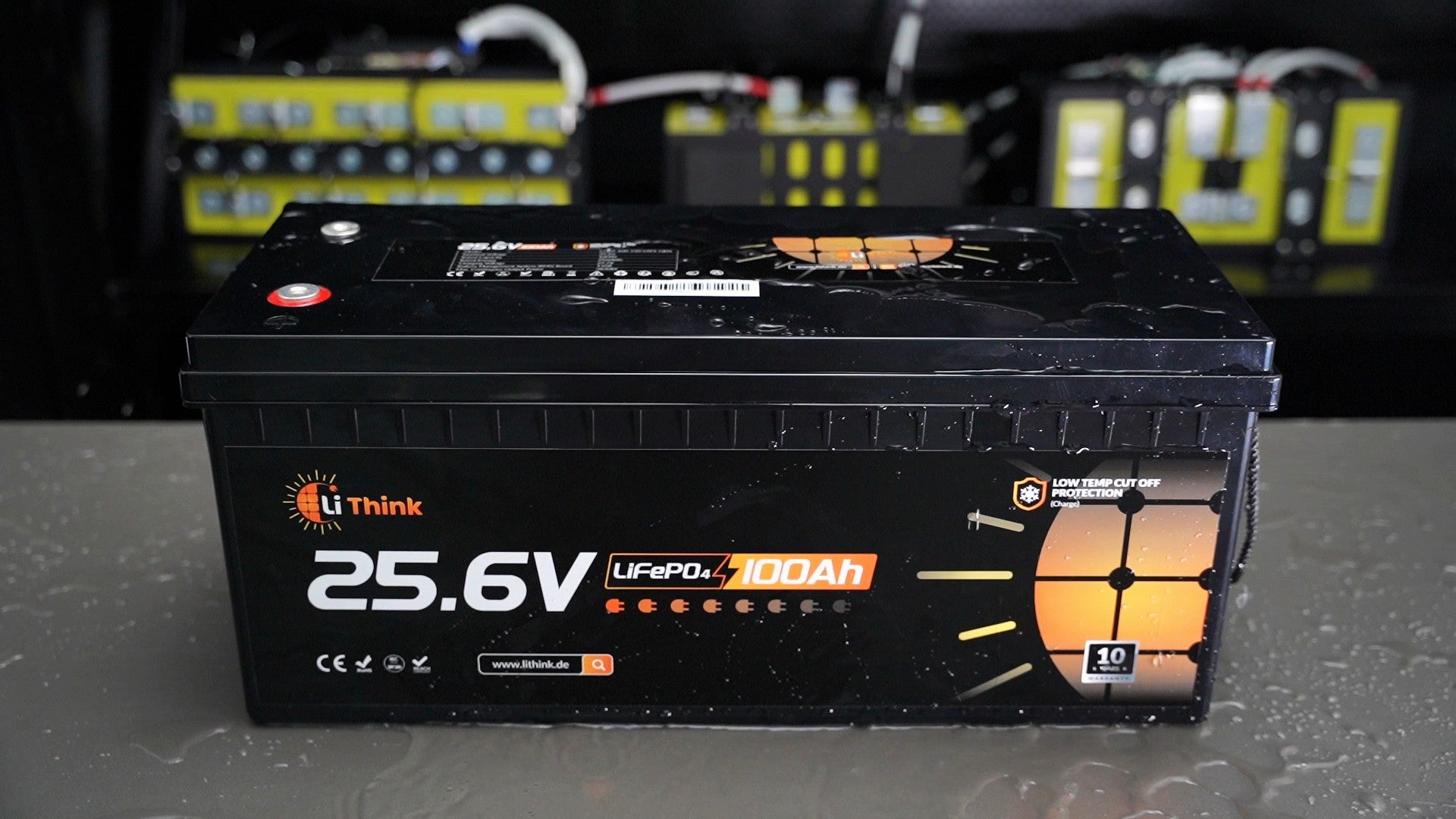
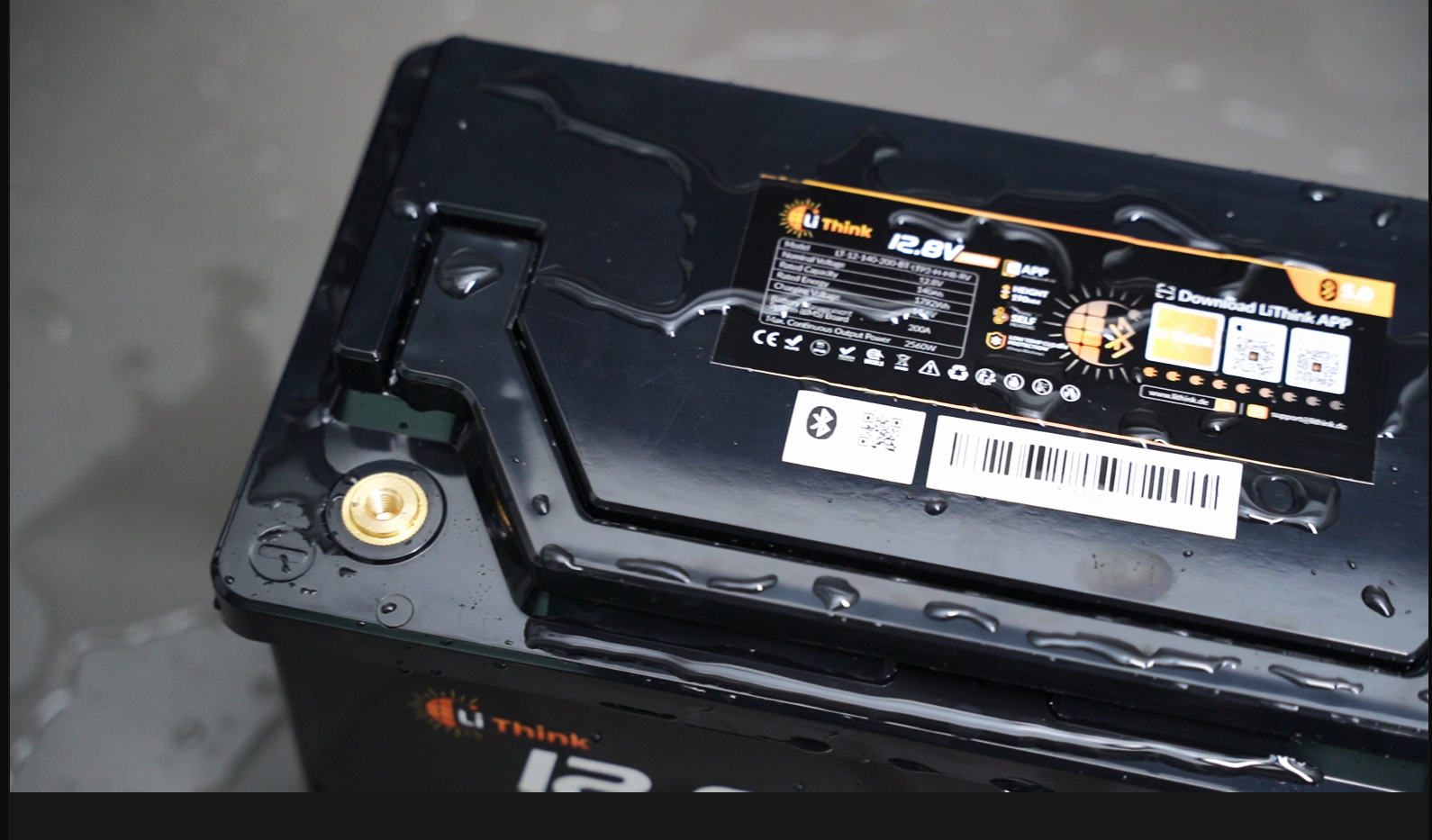
Why does the internal structure determine long-term security

Capacity and voltage can be the same – it’s the structure that makes the difference over time. Road vibrations, wave impacts, shocks during transport, temperature changes, as well as dust and water, place stress on the frame, edges, wiring harnesses, fastenings and seals. If reliability is achieved through design, the battery will retain its shape even after years, the wiring harnesses will remain intact and the interior will stay clean.

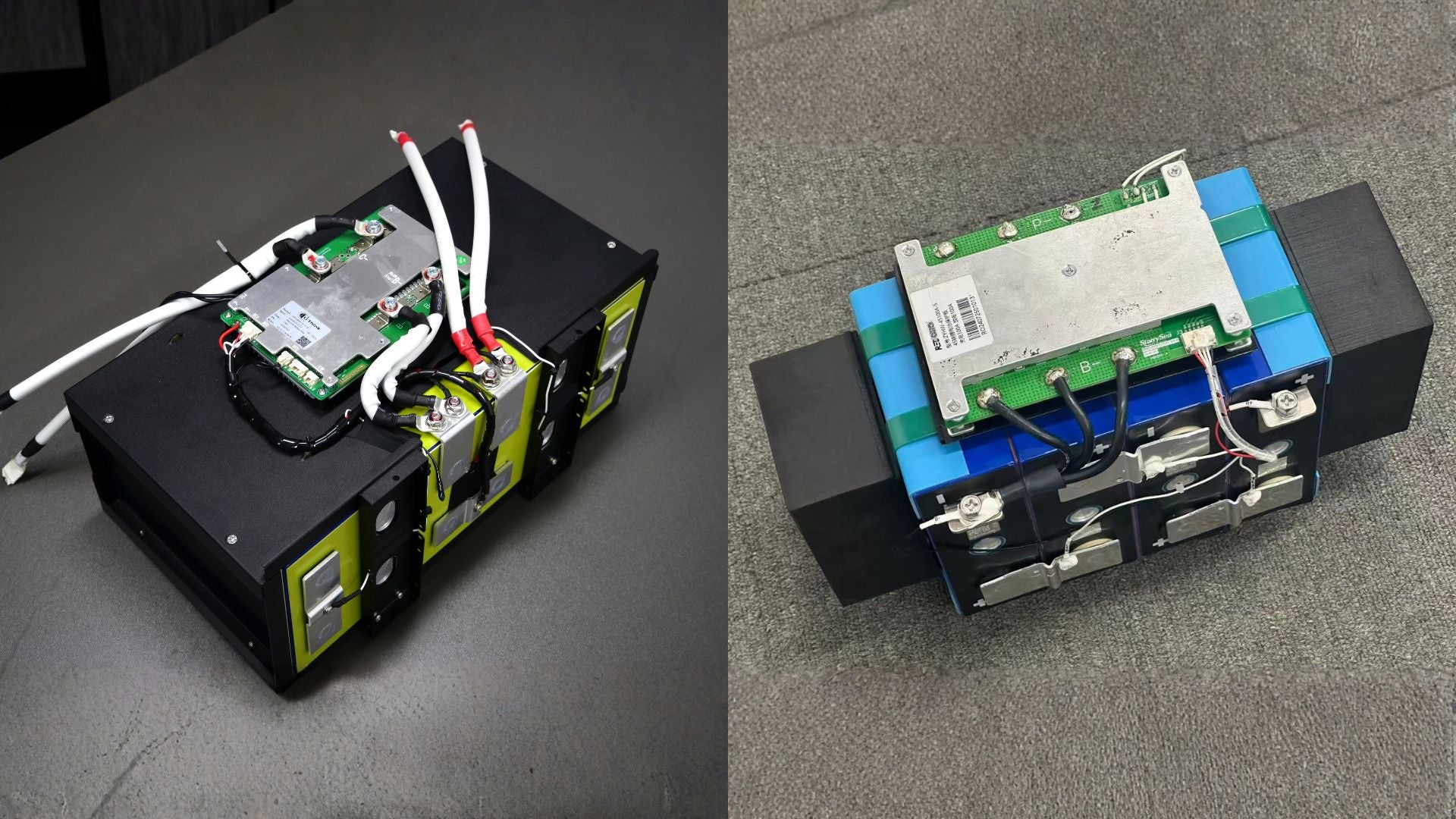
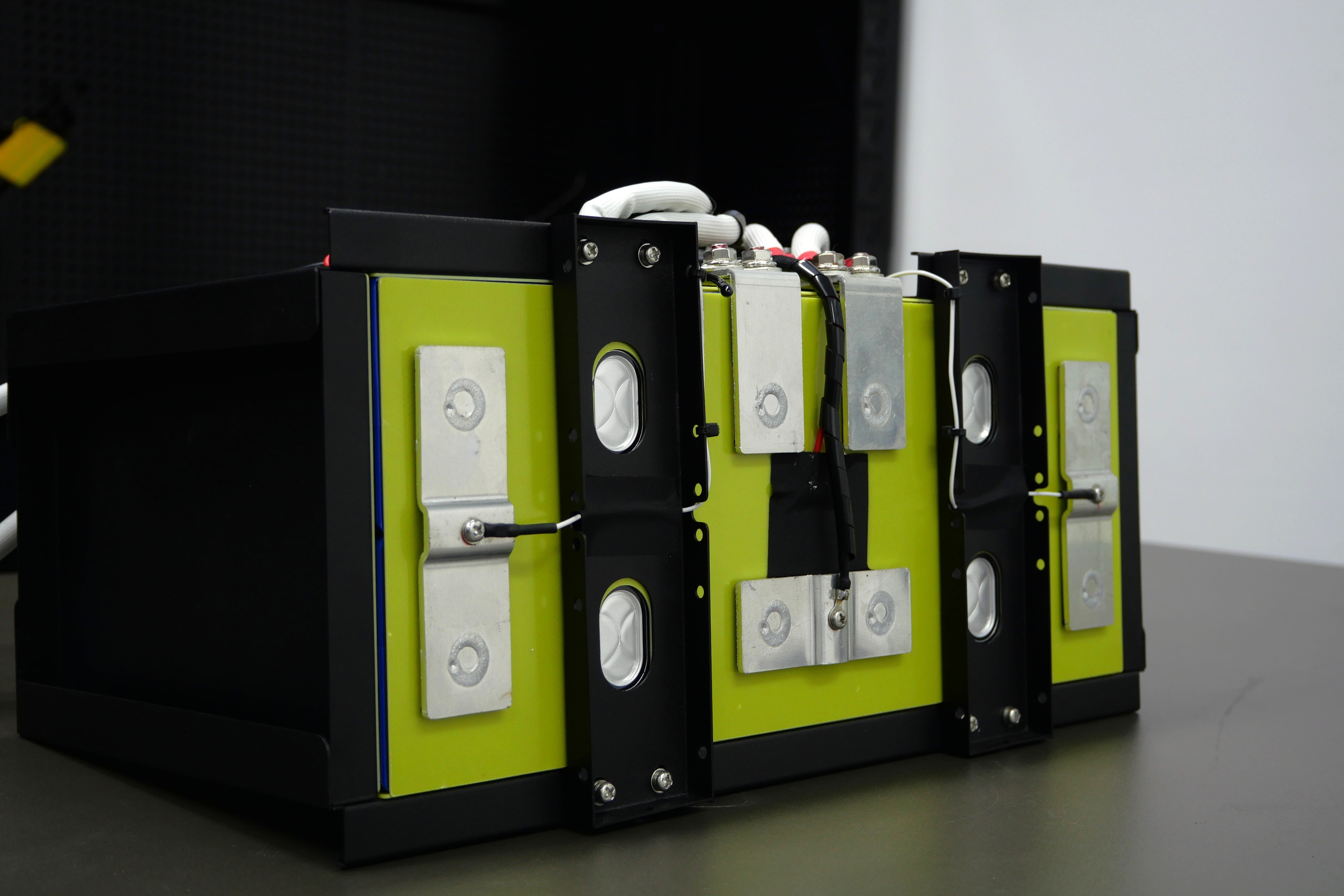
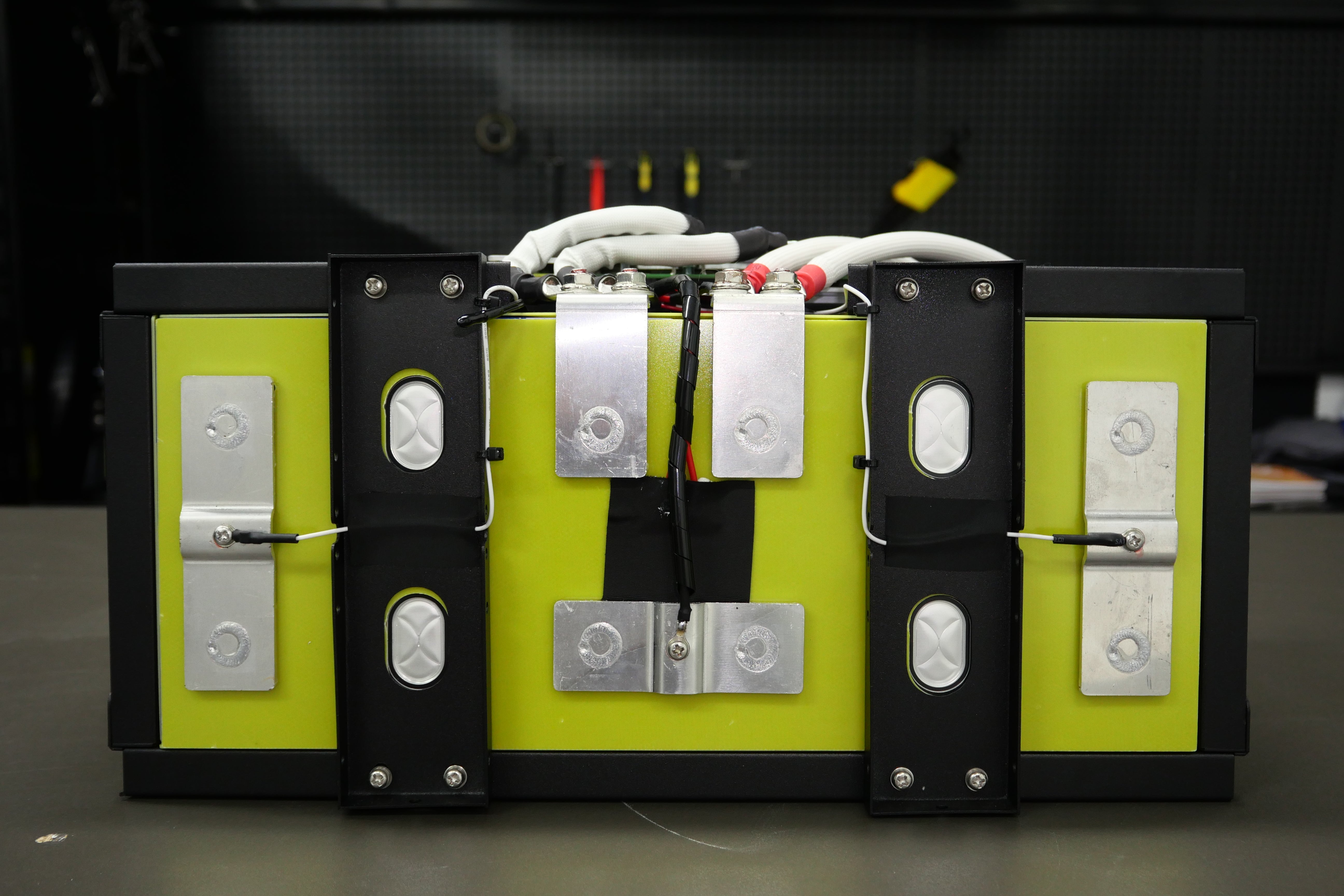
Alloy Support Frame

Change: From tension band → frame made of aluminum alloy.

Benefit: No flexing, vibration- and shock-resistant, cells stay in position.

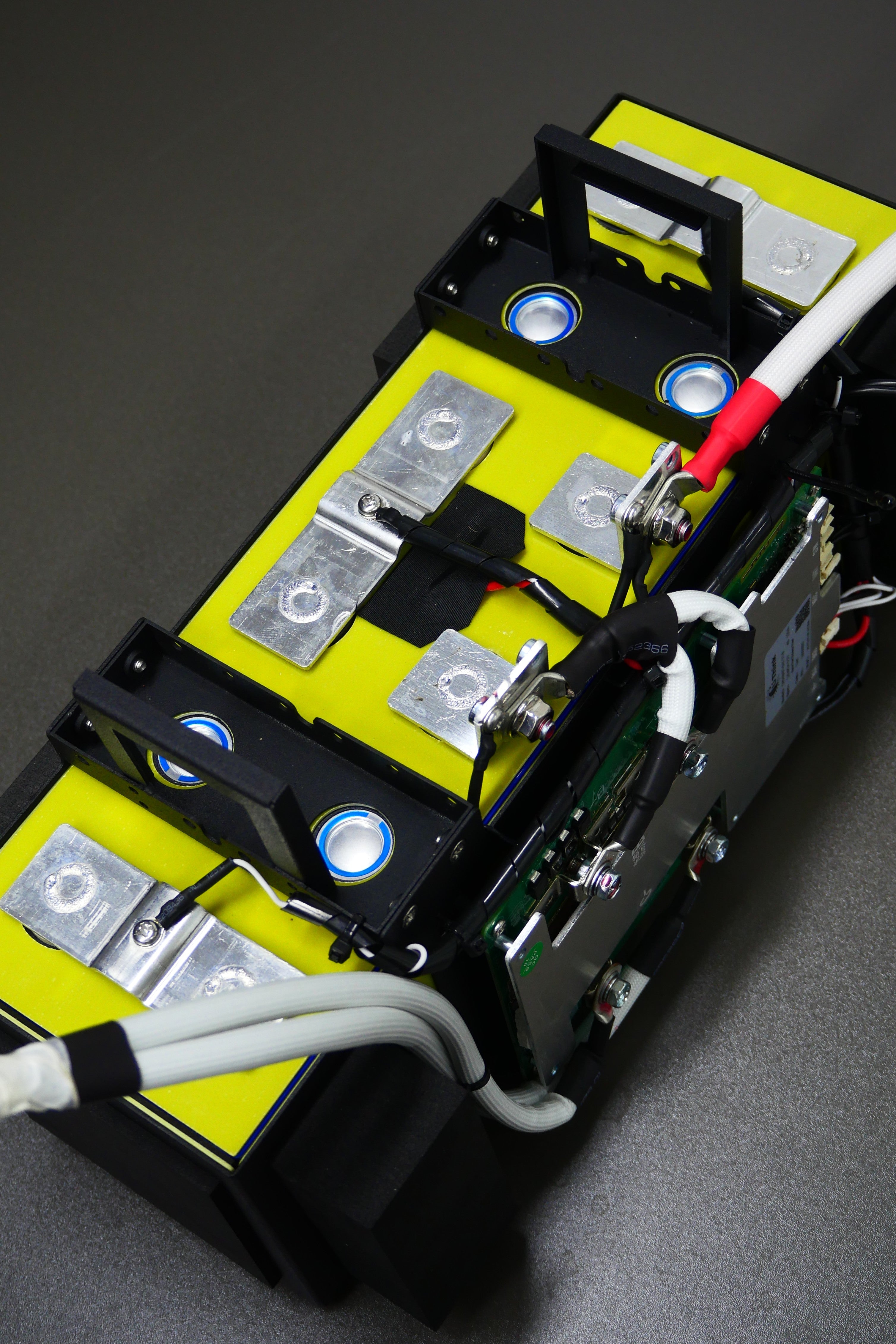
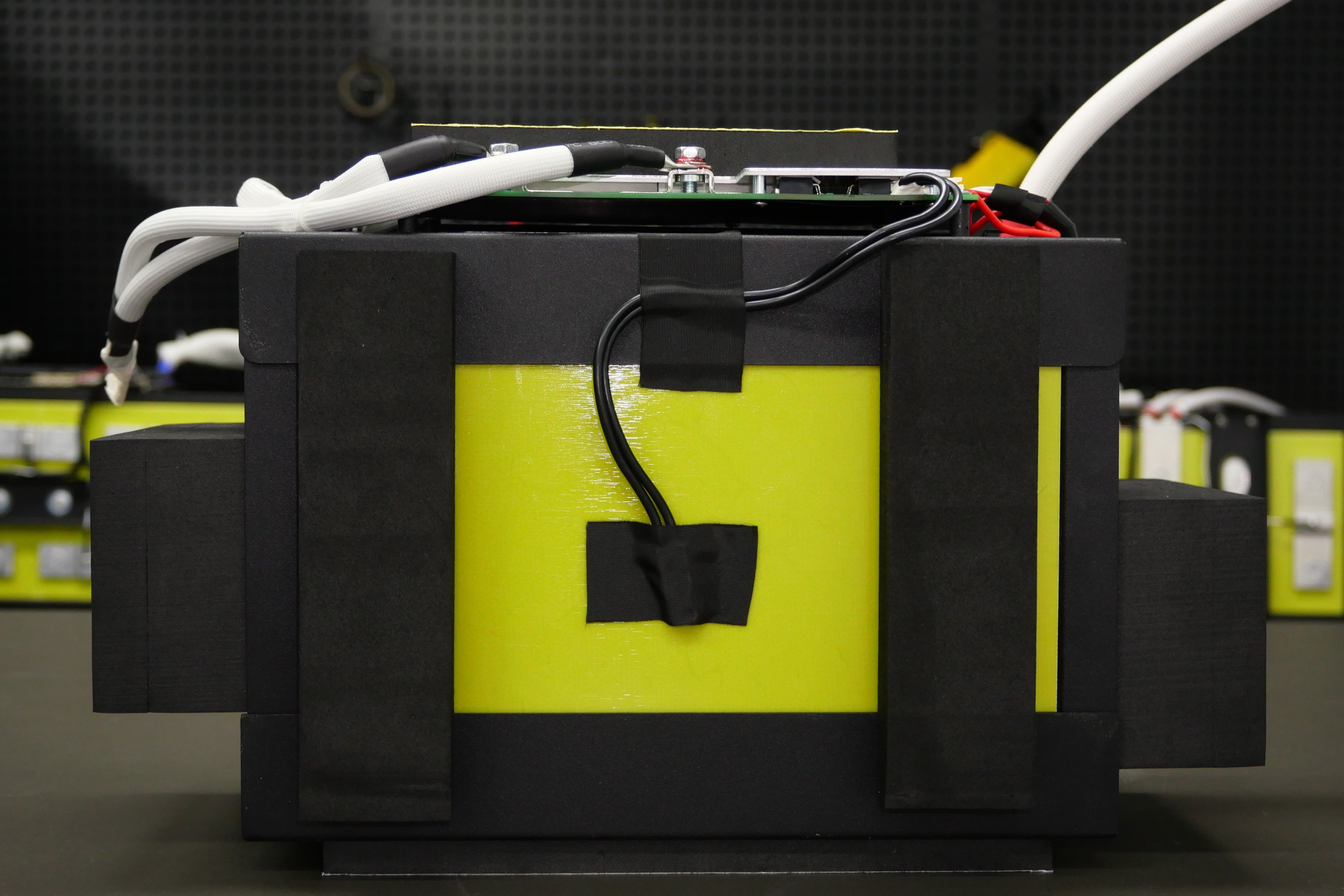
Six-sided epoxy insulation

Change: From partial pads/half coating → full six-sided epoxy plates.

Advantage: No edge wear, all-around insulation and reduced risk of leakage currents.

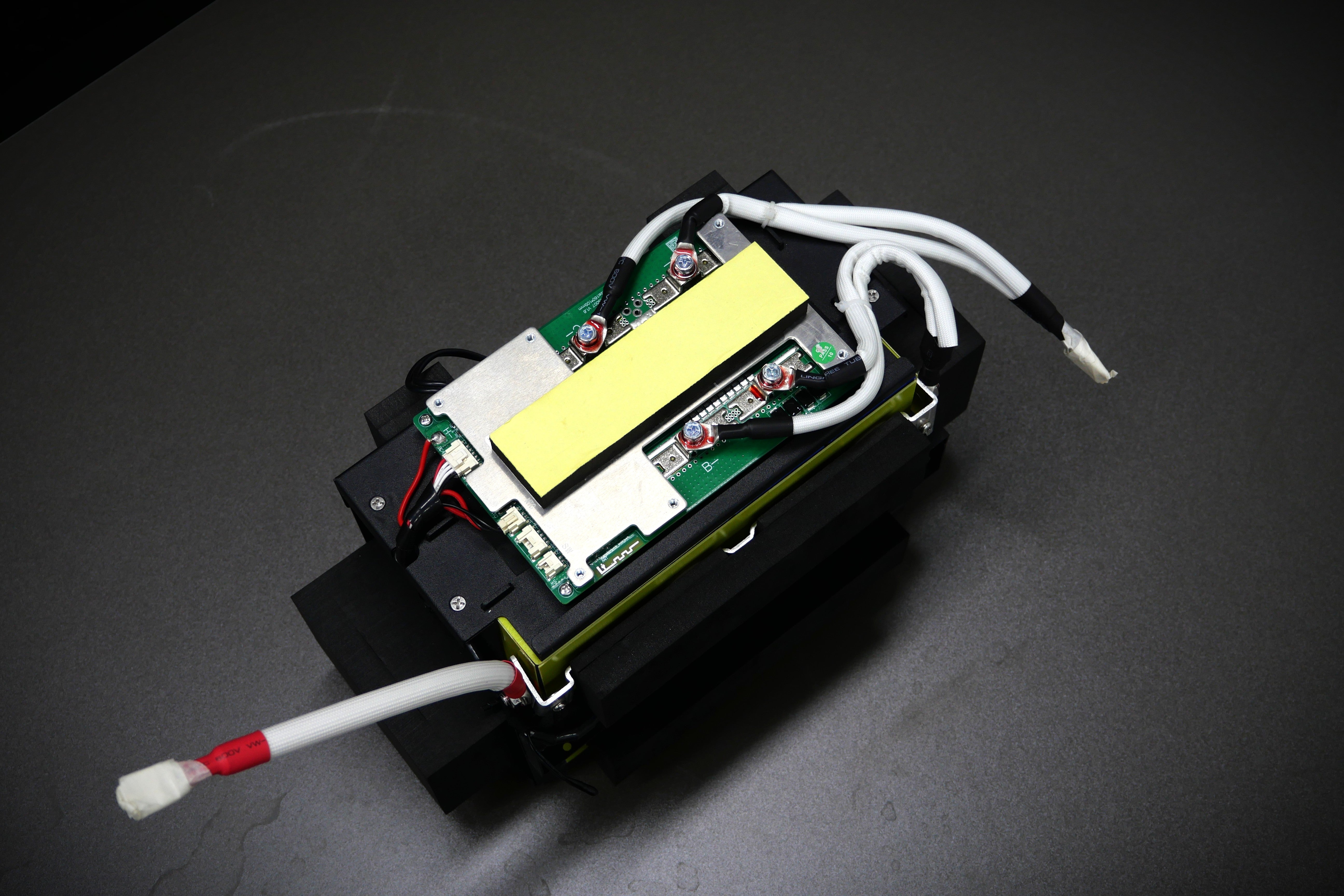
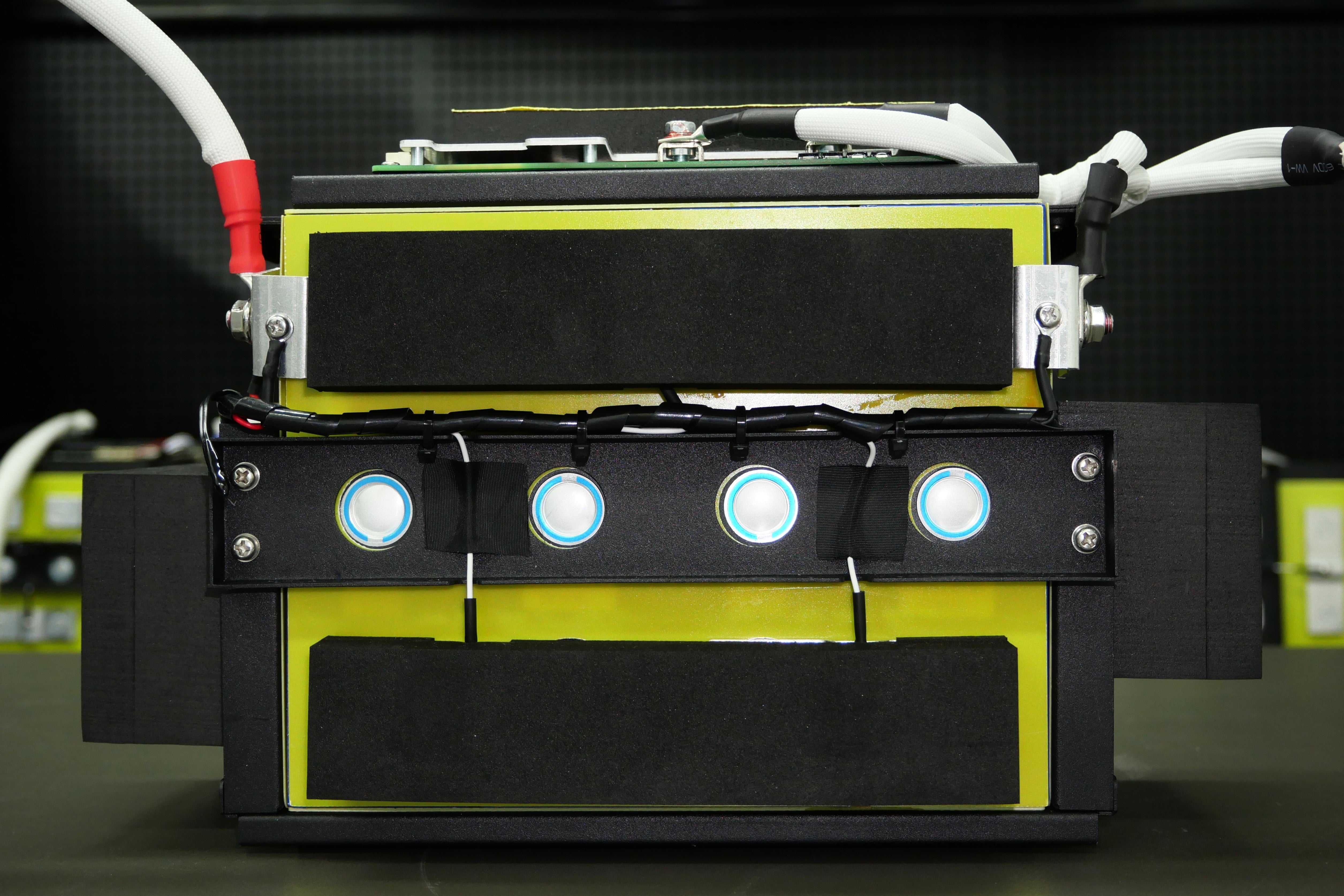
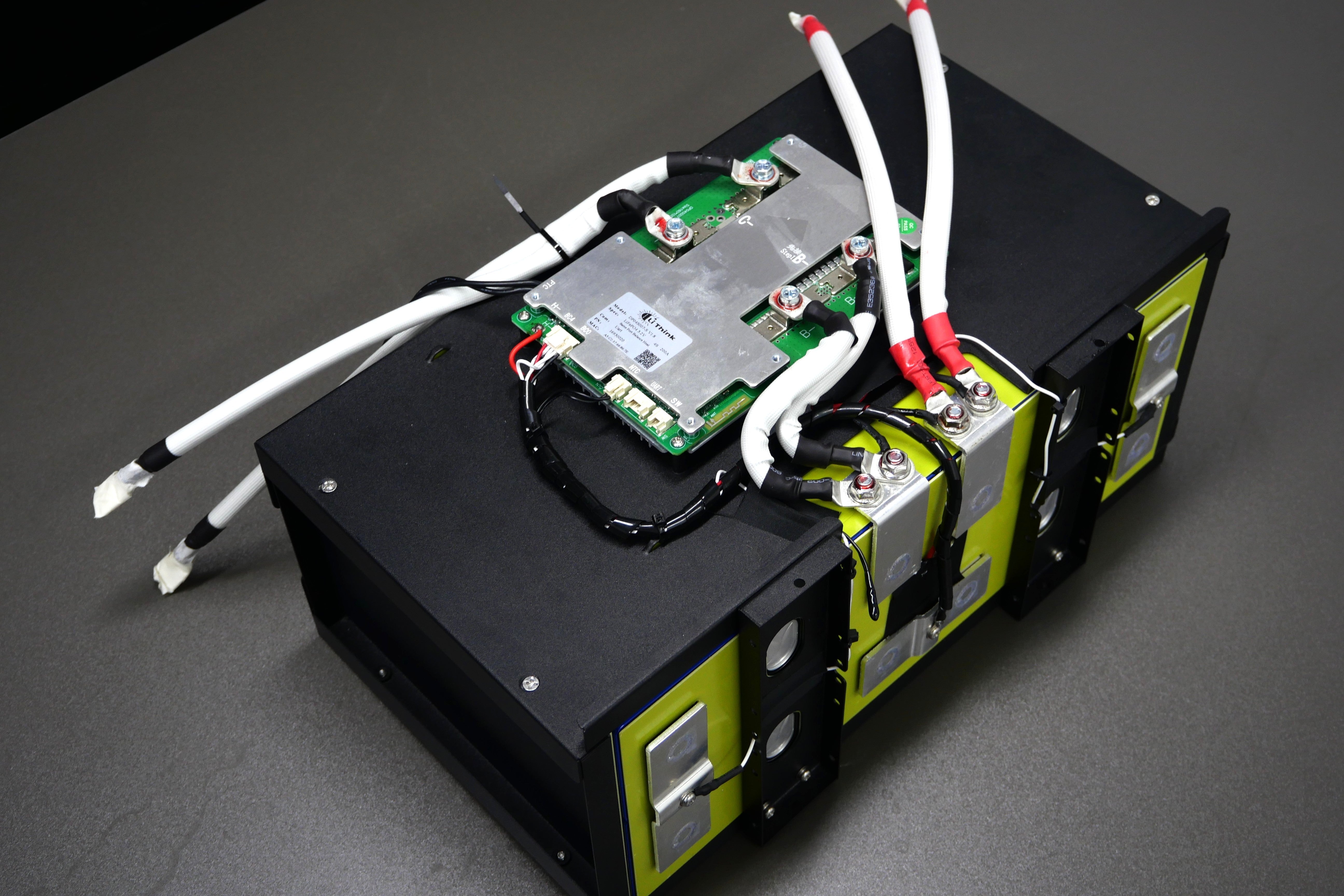
Fiber-braid cable routing

Change: From bare/unorganized cables → fiber sleeving + defined cable routes + cable gland.

Benefit: No chafing or cuts, neat installation, less maintenance.

Double Screw Lock

Change: From simple locking → primary bolting + secondary locking level.

Advantage: Clamping force remains intact, no loosening during temperature changes or transport.

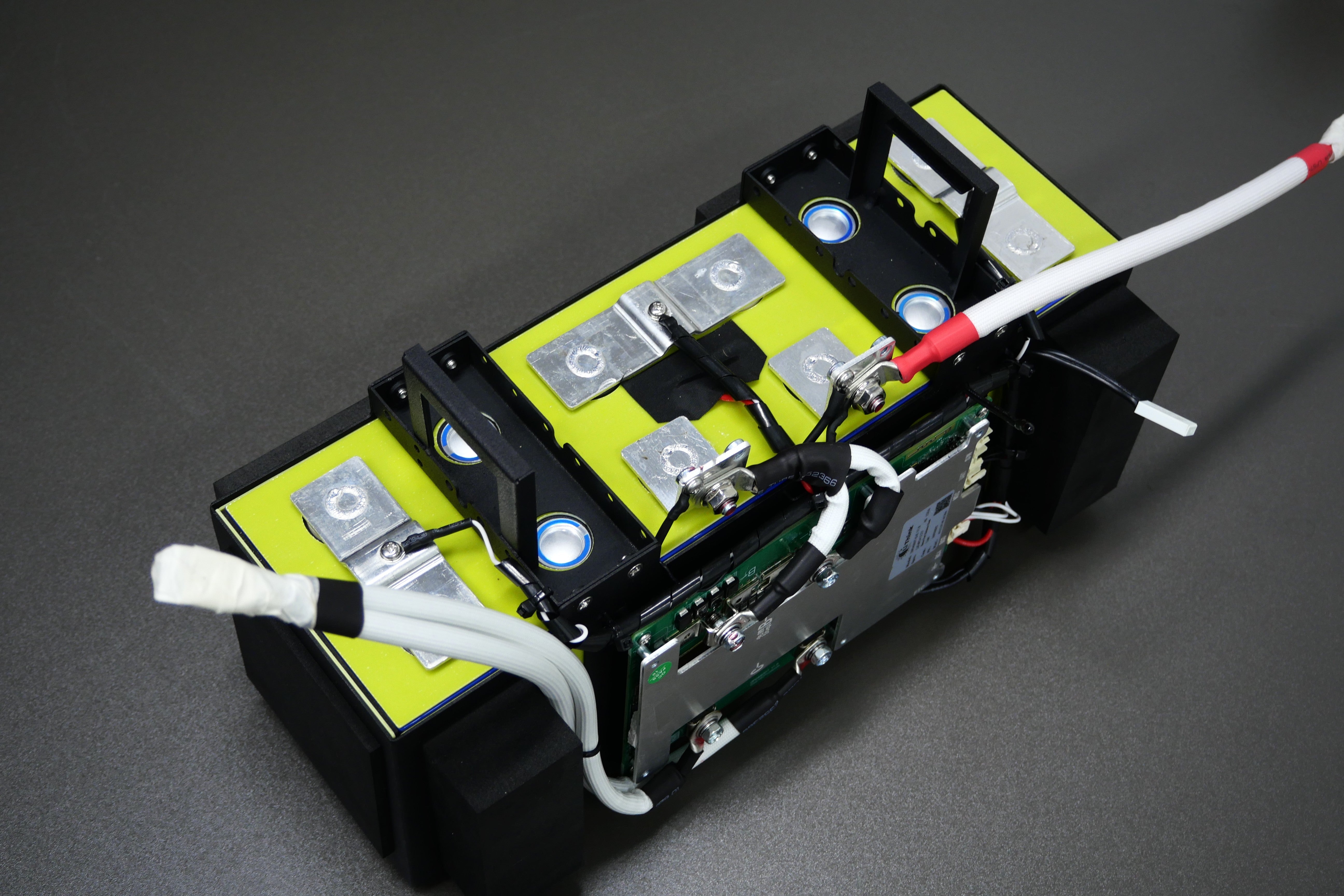
3-Point Temperature Measurement

Change: From a random measurement point → Three fixed points (front, side, BMS board).

Benefit: More realistic measurement values, faster fault localization.

IP67 structural sealing

Change: From open joints → sealing groove + elastic seal + cable gland.

Benefit: Dust- and splash-proof, cleaner interior, longer service life.

No More Swollen Cells: The Lithink Difference

While conventional brands often use simple adhesive tapes, Lithink relies on an internal alloy frame. This sturdy structure holds the cell pack under controlled compression and actively prevents the dangerous “swelling” over the years.


The result: maximum dimensional stability and a significantly longer service life for your storage.

Designed for vibration, splashing and temperature changes – robust, quiet, low-maintenance.

Interior structure that performs in use

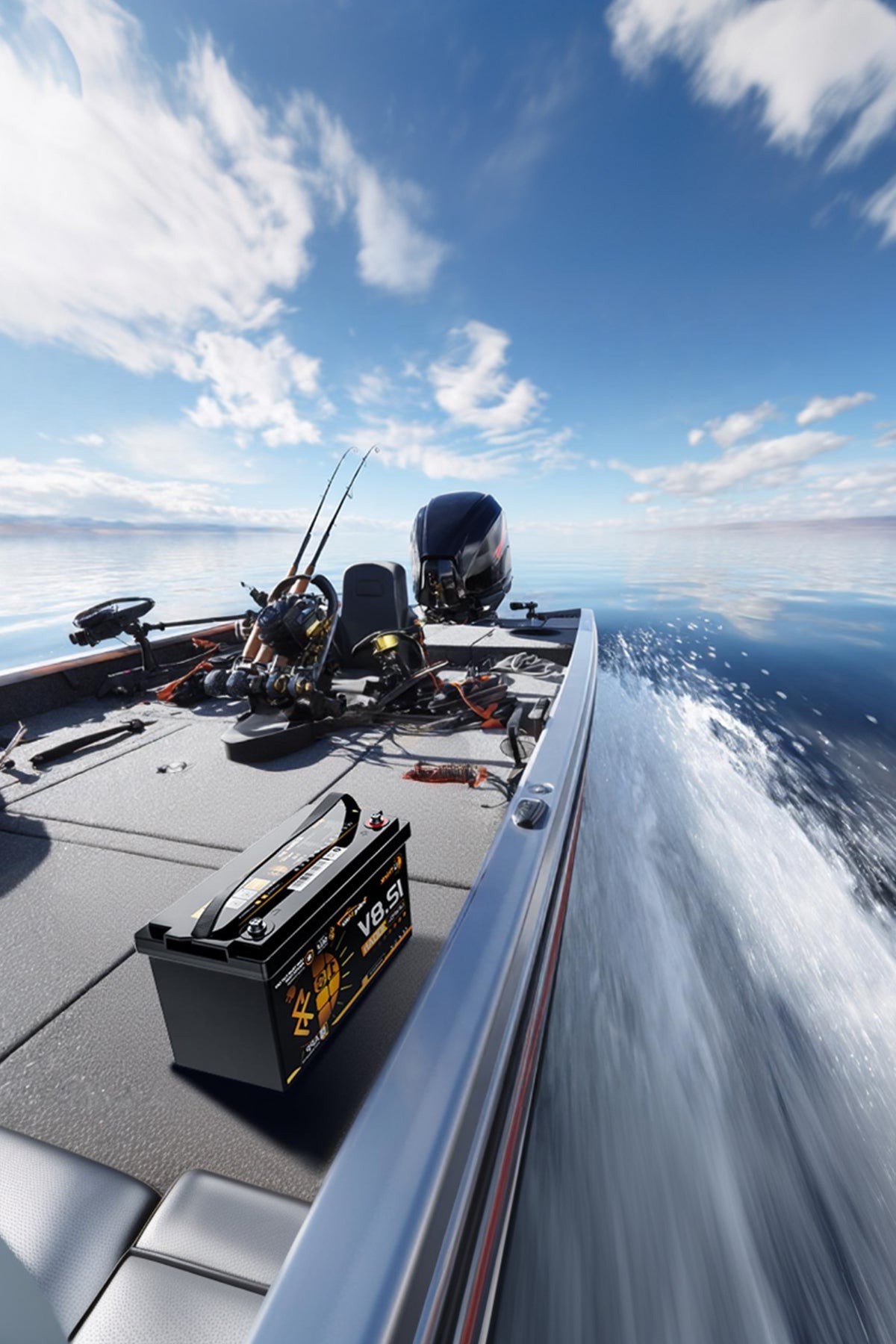
Motorhome

Trolling Motor

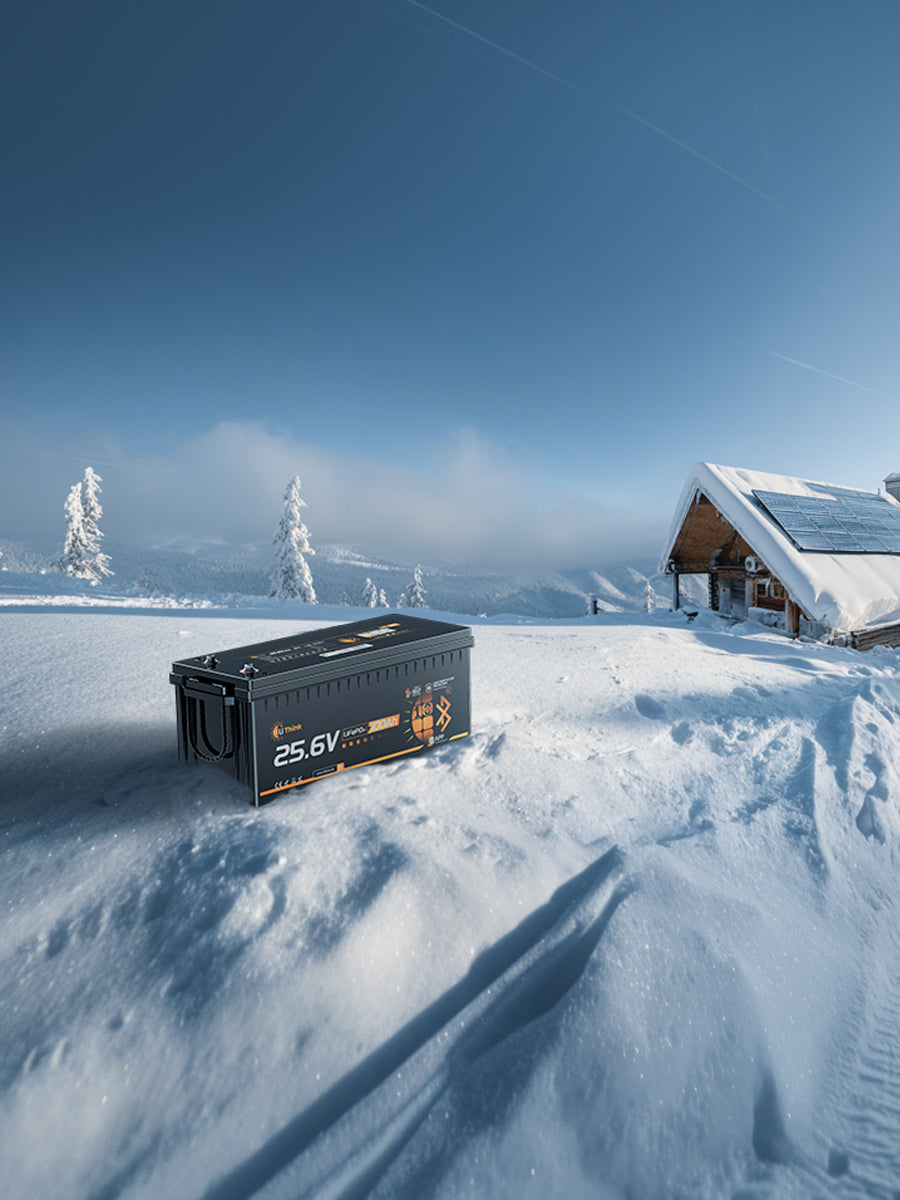
Solar / Off-Grid

Deformation ends at the frame

A support frame made of high-strength aluminum alloy replaces conventional straps, creates a stable flow of force and delivers lasting clamping pressure so the cell module remains geometrically stable under vibration and impact.

Design Features

  • Six-sided, soft-coated frame – containment and cushioning in composite.
  • Openings with clearances – the cell degassing valve remains unobstructed.
  • Multi-edge stops and stiffening ribs – loads are not concentrated at a single point.
  • Multi-surface support with lid – improved bending and torsional rigidity.
  • Fit tolerances and press strategy – dimensional stability over the service life.

Edges are no longer weak spots

Epoxy plates on six sides provide all‑around insulation, wear protection and edge reinforcement – microvibrations no longer lead to abrasion, burrs or potential micro short circuits.

Design Features

  • Six-sided, soft enclosure – matched to the frame boundary.
  • Clearances to housing openings – venting/pressure-relief paths remain unobstructed.
  • Rounded edges and deburring – fewer hard spots and sharp edges.
  • Full-surface contact with frames and cells – no floating positions, no local stress peaks.
  • Sufficient creepage and clearance distances according to the geometry baseline.

Permanent Protective Armor for Wiring Harnesses

Power cables are protected with braided-fiber sleeves and routed with defined bending radii and spacing. This reduces abrasion, cutting, and crushing risks under vibration and temperature changes.

Design Features

  • Full hose covering, additional protection at critical rerouting points.
  • Attachment via cable-tie mounts – secure but not constricting.
  • Layer-separated routing of wiring harness and frame – no mutual interference.

Measured values close to the actual heat source

Three measurement points: front (on the cell exterior), side (near the busbar/thermal path), on the BMS board (internal reference point). Secure fixation and strain relief ensure stable, reproducible measurements close to the swelling.

Design Features

  • Motorhome/Off-Grid: With fluctuations in enclosure temperature the PCB sensor shows interior conditions, while the front sensor shows cell temperature.
  • Trolling motor: Under continuous current the side sensor detects early heating of the busbar/side wall.
  • Transport/Maintenance: Three comparison points make it easier to locate hotspots or contact issues – faster fault finding.

Dust and splash protection starts with geometry

The housing geometry, sealing groove, elastic seal, and cable gland form a continuous sealing path. This keeps the interior protected against dust and splashing water.

Design features

  • Continuous sealing groove with proper compression – no protruding seams.
  • Sealing washers and O-rings on screw fittings.
  • Cable glands with protective components – leak-proof and strain-relieved.
  • Drainage geometries and drip edges – no water buildup in critical joints.
  • Misalignment control at joints – continuous sealing path.