Best LiFePO₄-Batteries for Trolling Motor & Boat

How Do You Choose Your Battery

for Trolling Motor & Boat?

8 reasons why Lithink is the right choice on the water

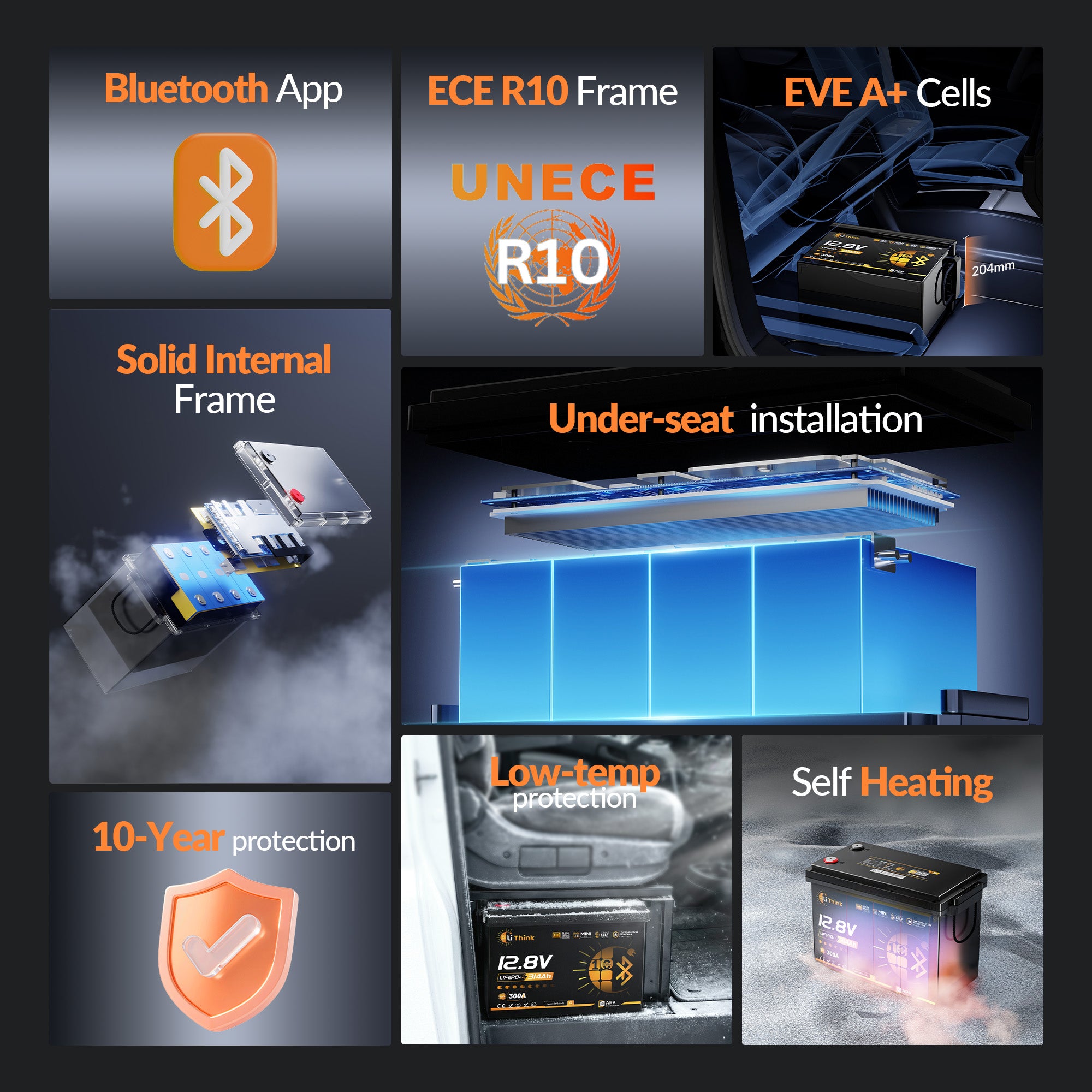
Bluetooth app with battery warning

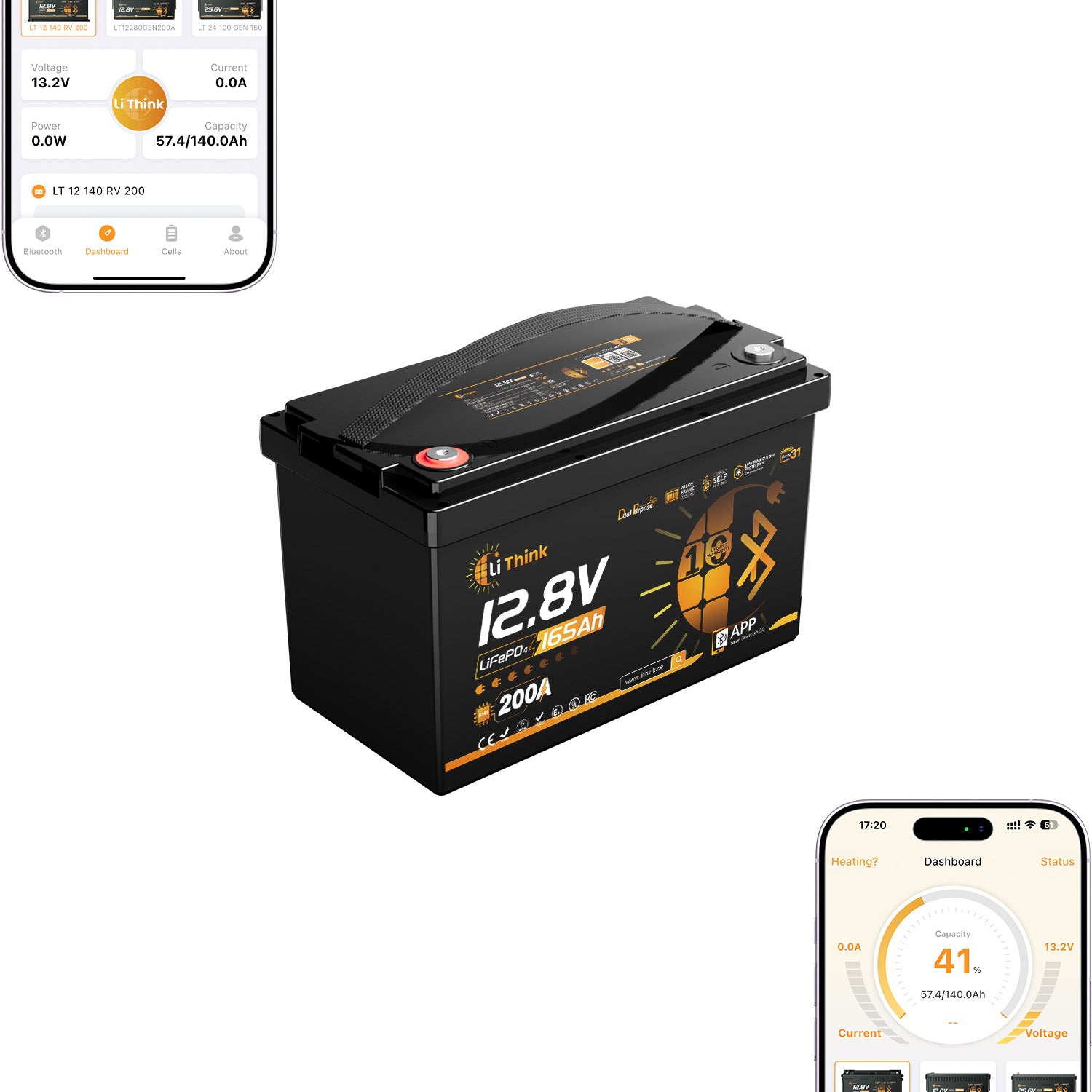
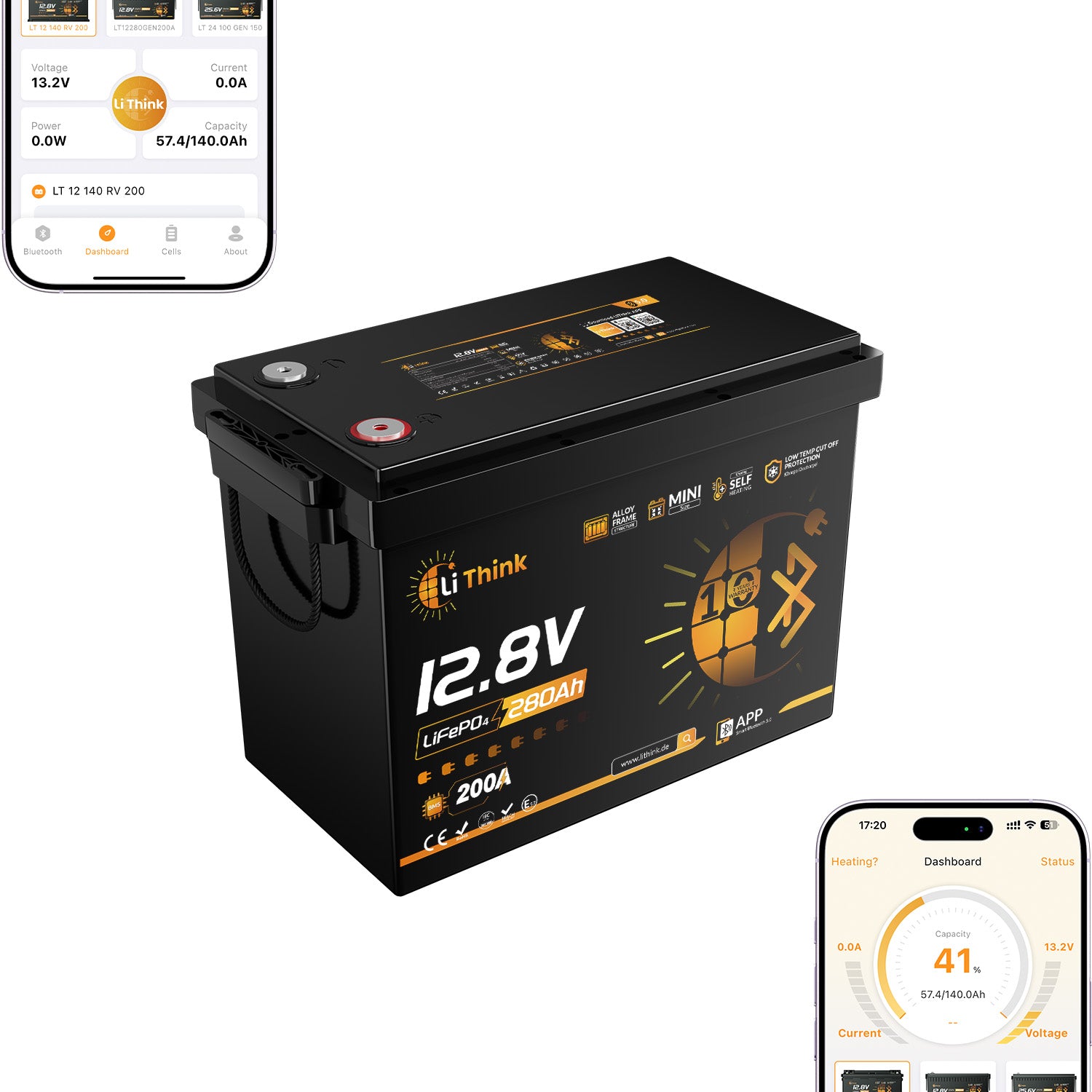
Over the Lithink App you can view voltage, current, remaining capacity and temperature in real time – including a low-battery alert sent straight to your smartphone before the power for the trolling motor runs low.

Intelligent BMS with 30+ parameters

The automotive BMS monitors more than 30 measurement and protection parameters and reliably intervenes in the event of over-/under-voltage, overcurrent, short circuit, or temperature deviations – ideal for sensitive trolling motor electronics.

High IP protection against water & dust

A robustly sealed housing with a high IP protection rating (model-dependent up to IP67) protects the battery from splashing water, rain, spray and moisture on board – perfect for marine use.

World's No. 1 LiFePO₄ internal build quality

High-strength carrier structure, compressed cells, bolted busbars and secured terminals reduce the effects of vibration, shocks and wave slamming – ideal for trailer boats and rough waters.

High Inrush and Peak Currents

The battery delivers strong starting and peak currents so your trolling motor accelerates powerfully, even against wind and current — without noticeable voltage drops.

Automotive-Grade A+ LiFePO₄ Cells
Only selected A+ cells in automotive quality are used – for low internal resistance, high efficiency, clean cell balancing and a planned service life of over 10 years.
Comprehensive Security & Certifications

Certifications such as UN38.3, CE, IEC 62619, RoHS, and others attest to safety during transport, installation, and everyday operation — even in demanding marine environments.

Strong PowerRigorous tests at the Lithink lab

Each series undergoes salt spray, vibration, drop, thermal cycling, and endurance tests. That way your battery withstands real marine use — not just ideal laboratory conditions.

15000+

Charge & Discharge

10+

Planned Useful Life (Years)

-20°C

Reliable discharge even during winter operation

30+

Monitored Protection Parameters in the BMS

LiFePo4 Batteries for Trolling Motor & Ice Fishing

Discover the freedom of fishing on lakes, rivers and coastal waters with Lithink LiFePO₄ deep-cycle batteries. They deliver a consistently stable voltage for precise trolling motor control, run quietly and are significantly lighter than conventional batteries – ideal for long drifts, finesse trolling and exact position-holding. Thanks to high cycle durability, intelligent BMS protection and optional self-heating, you'll stay reliably mobile even in cold conditions and when ice fishing. Suitable for 12-V and 24-V systems in fishing boats, dinghies, kayaks and small motorboats.

4.6
Save €230,00
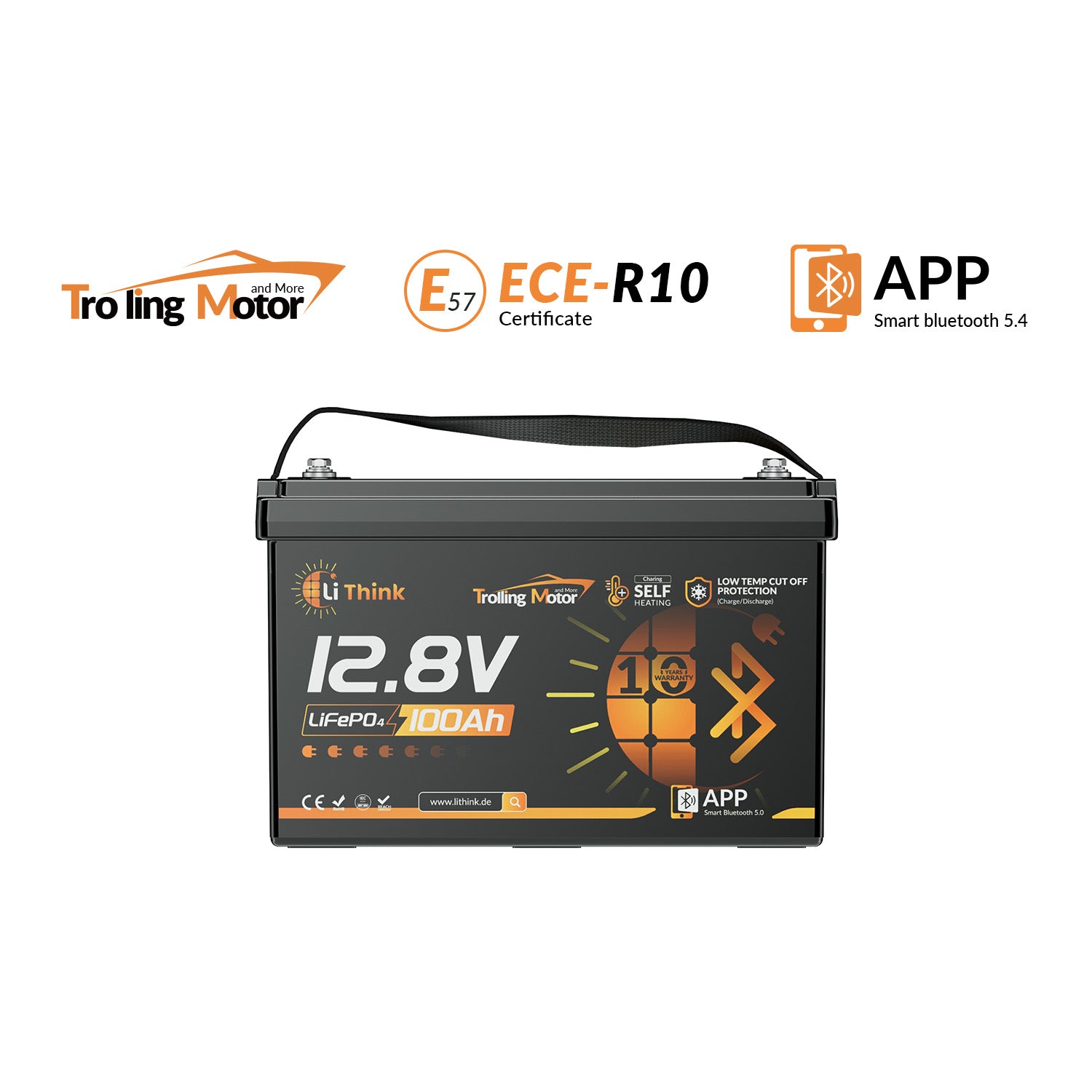
Lithink 12V 100Ah TM LiFePO4 Batterie mit Bluetooth

12V 100Ah TM Smart

Sale price From €209,99Regular price €439,99 20999:43999 Save €230,00
120A BMS

30+ Schutzfunktionen

Alloy

Internal Frame

IP67

Rated

Low-Temp

Cut-Off

Self

Heating

5.4

Bluetooth

4.8
Save €680,00
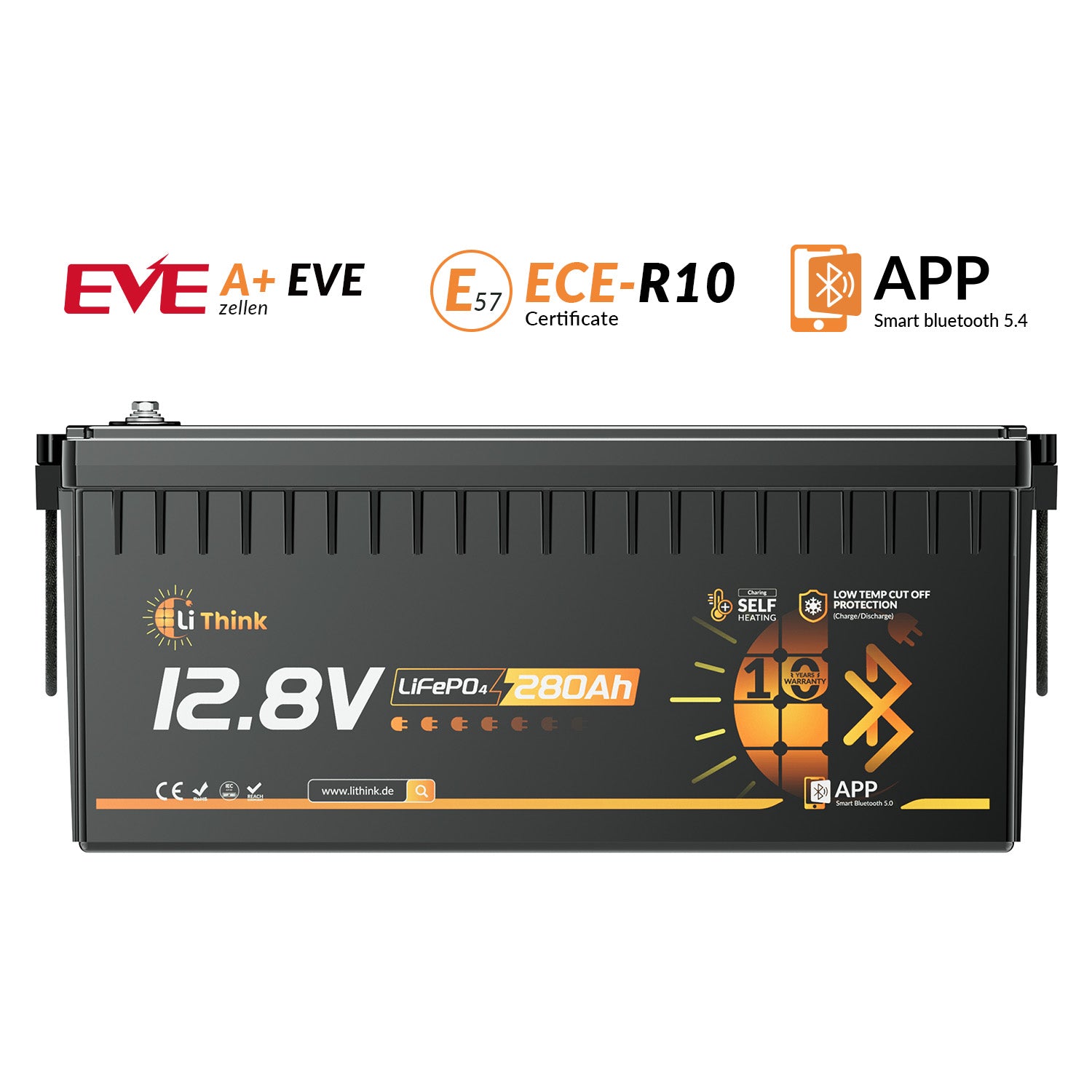
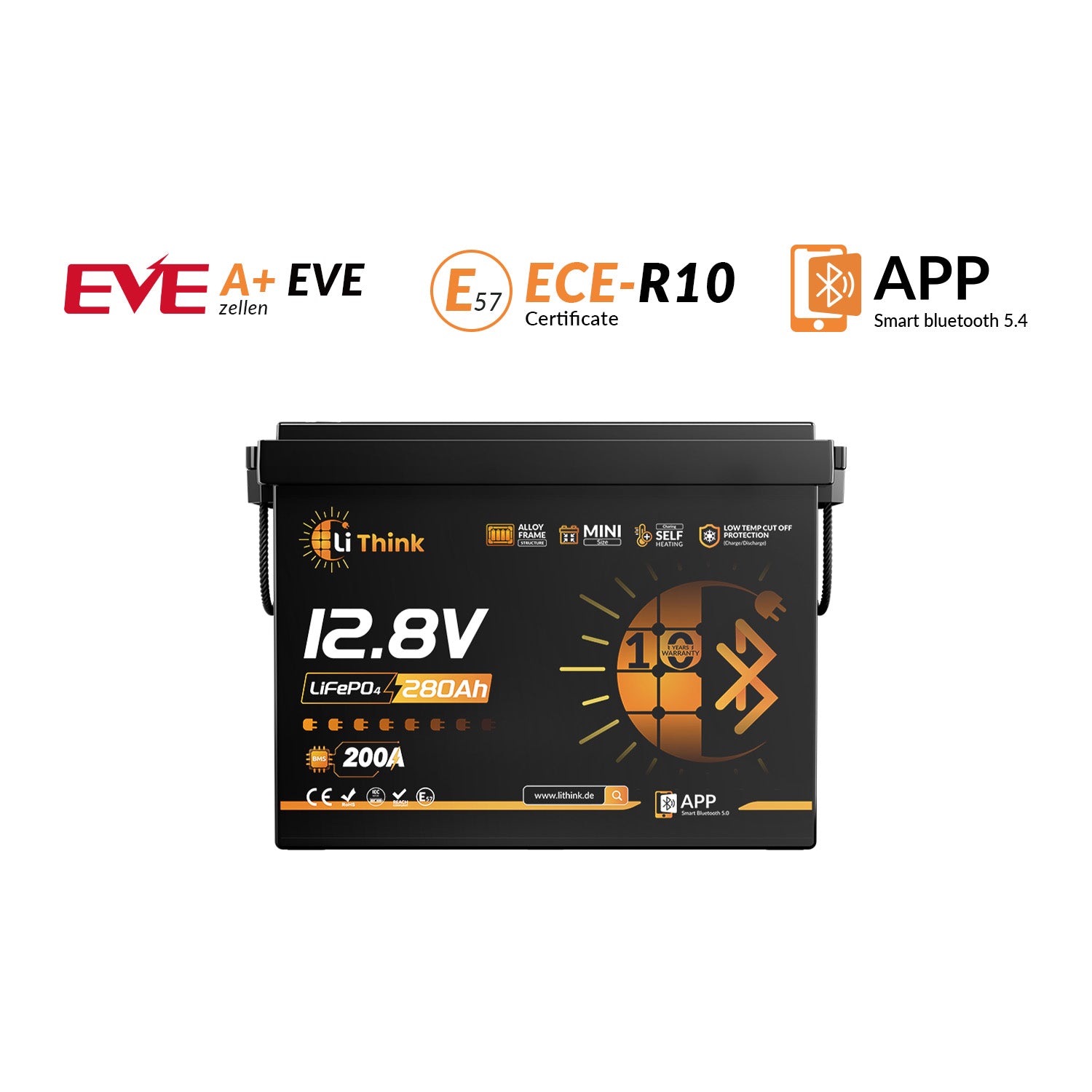
Lithink 12V 280Ah Pro LiFePO4 Battery with EVE LF280K-V3 Cells, 200A BMS, Bluetooth & Self-Heating – for Trolling Motor, RV & Solar System

12V 280Ah Pro Smart

Sale price From €419,99Regular price €1.099,99 41999:109999 Save €680,00
200A BMS

30+ Schutzfunktionen

Alloy

Internal Frame

Low-Temp

Cut-Off

Self

Heating

5.4

Bluetooth

4.7
Save €420,00
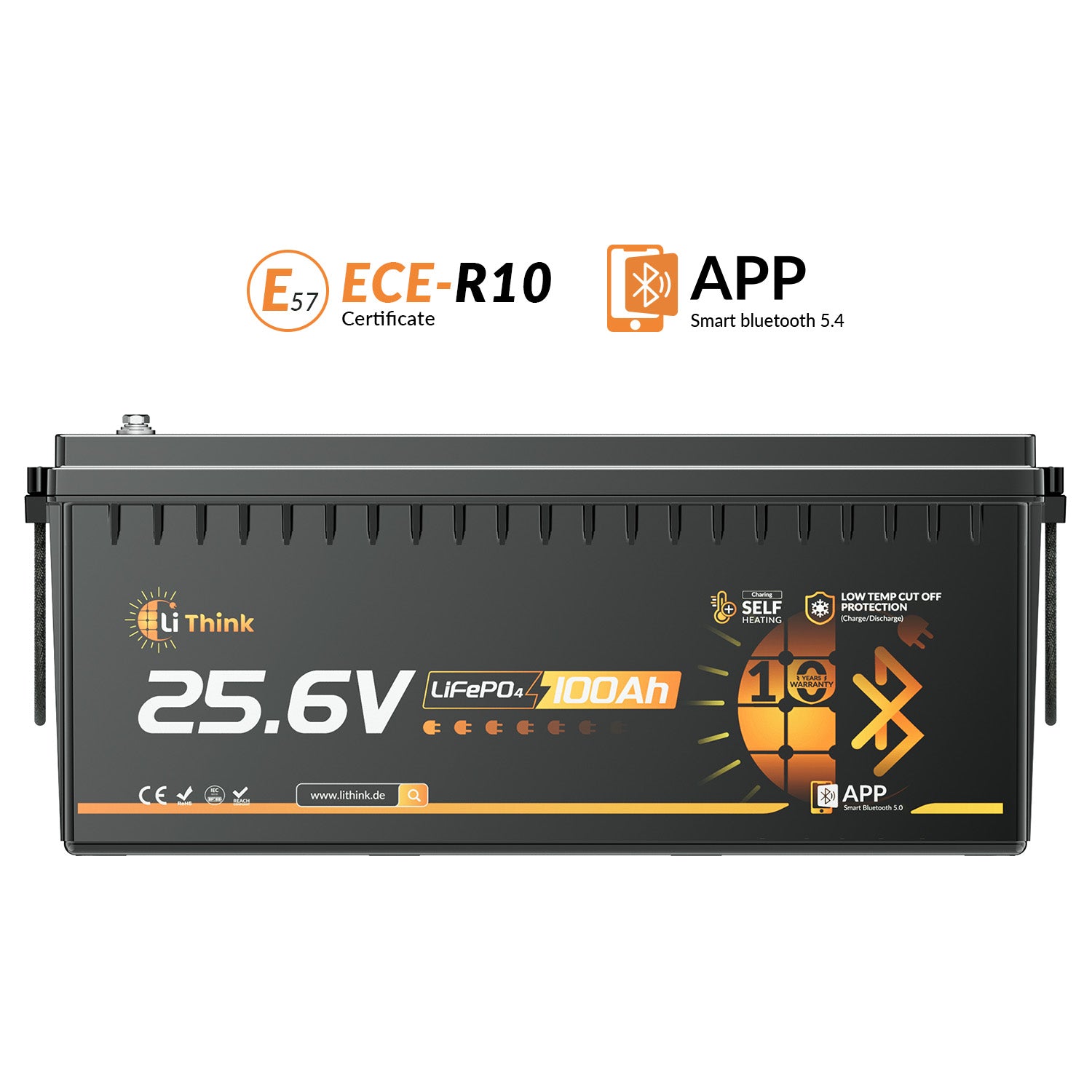
Lithink 24V 100Ah LiFePO4 Battery with Bluetooth & Self-Heating, 150A BMS – for Trolling Motors, RVs & Solar Systems

24V 100Ah Smart

Sale price From €379,99Regular price €799,99 37999:79999 Save €420,00
150A BMS

30+ Schutzfunktionen

Alloy

Internal Frame

Low-Temp

Cut-Off

Self

Heating

5.4

Bluetooth

4.8
Save €1.020,00
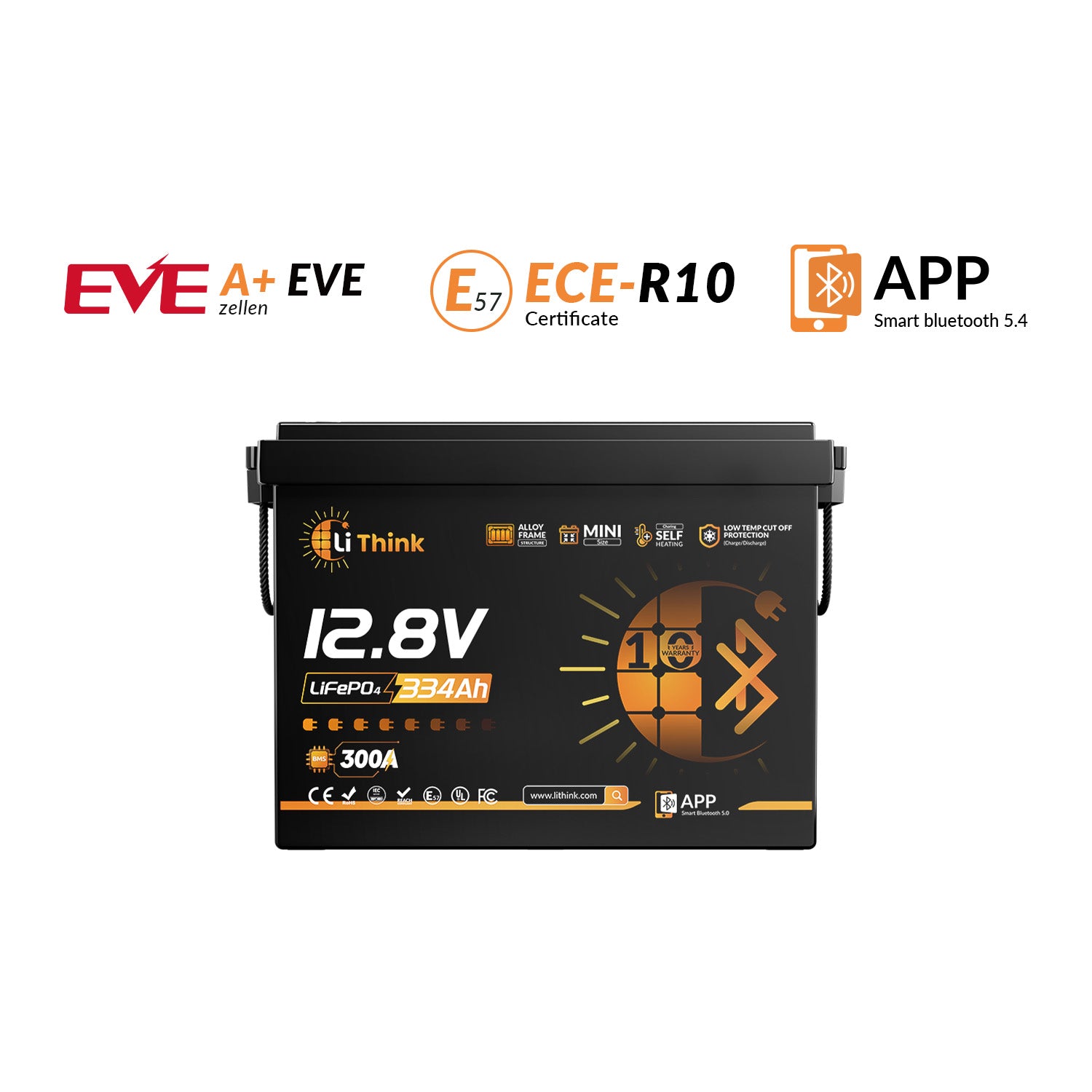
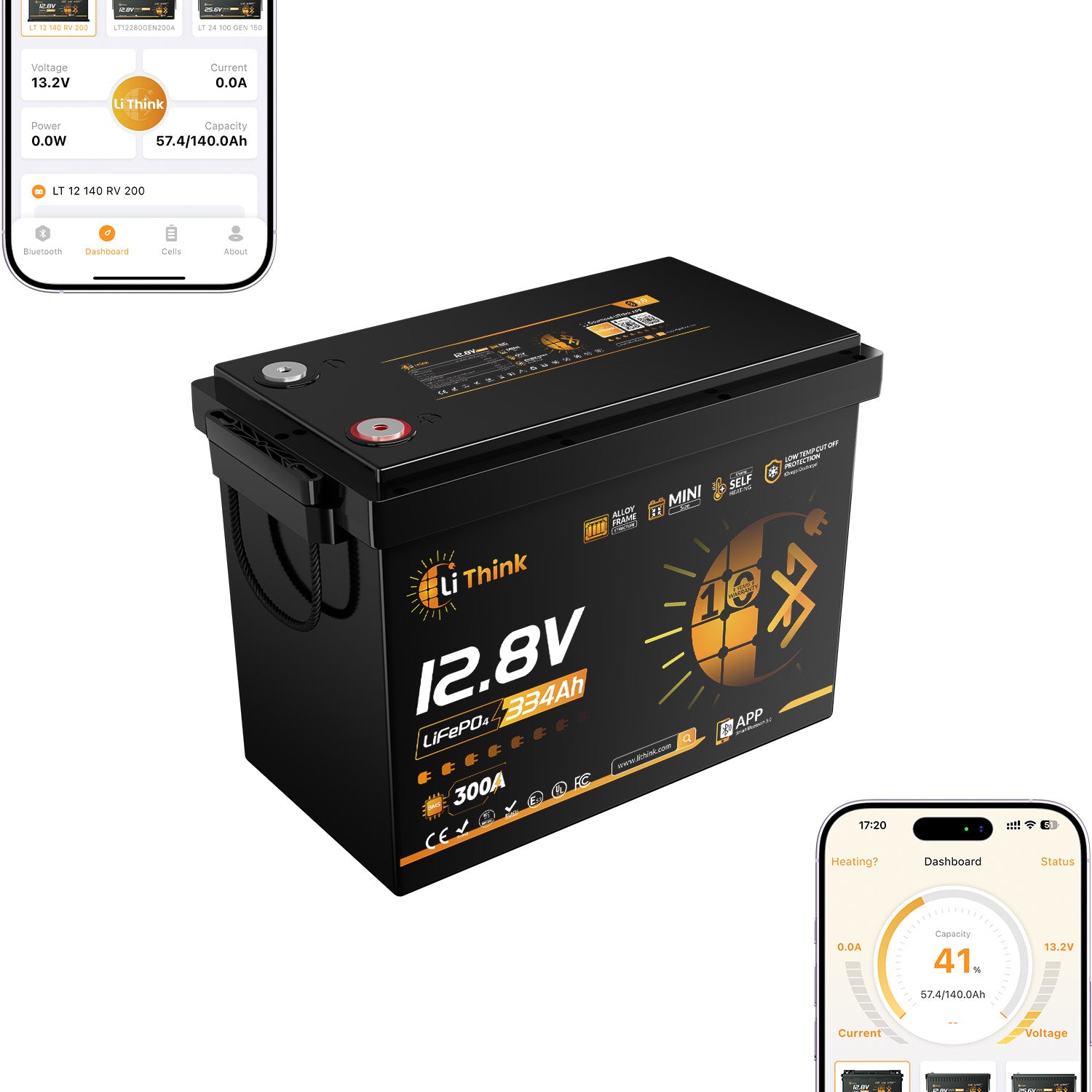
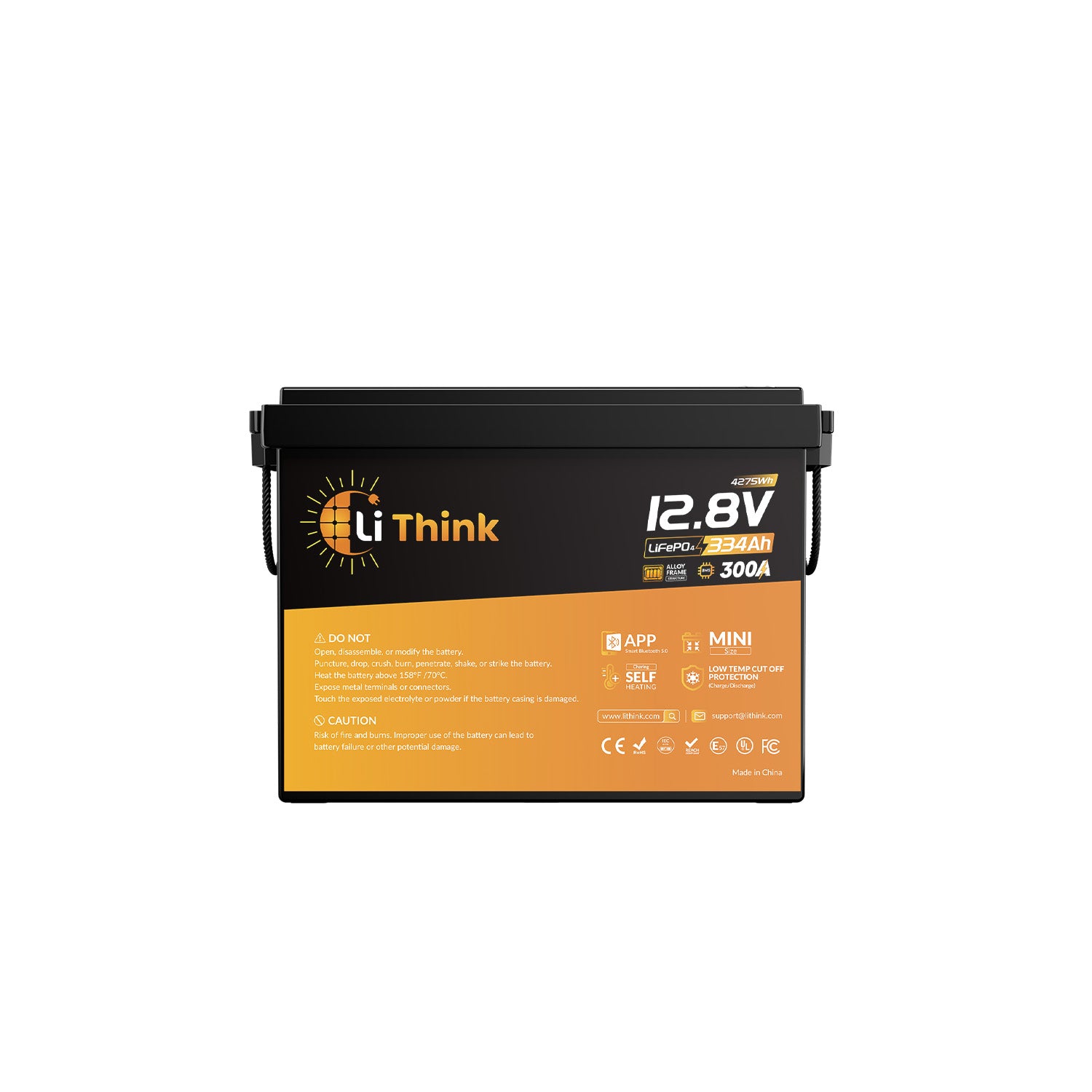
Lithink 12V 334Ah Mini Pro LiFePO4 Battery with EVE Cells LF334, 300A BMS, Bluetooth & Self-Heating – for Trolling Motor, RV & Solar System

12V 334Ah Mini Pro Smart

Sale price From €529,99Regular price €1.549,99 52999:154999 Save €1.020,00
300A-BMS

30+ Schutzfunktionen

Alloy

Internal Frame

Mini Size

35% Smaller

Low-Temp

Cut-Off

Self

Heating

5.4

Bluetooth

Use case Motor / boat LiThink model Why it fits
12-V trolling motor Small fishing boat or dinghy with a 30–70 lb trolling motor LiThink 12V 100Ah TM Specifically designed for electric trolling motors and ideal for typical fishing and day trips
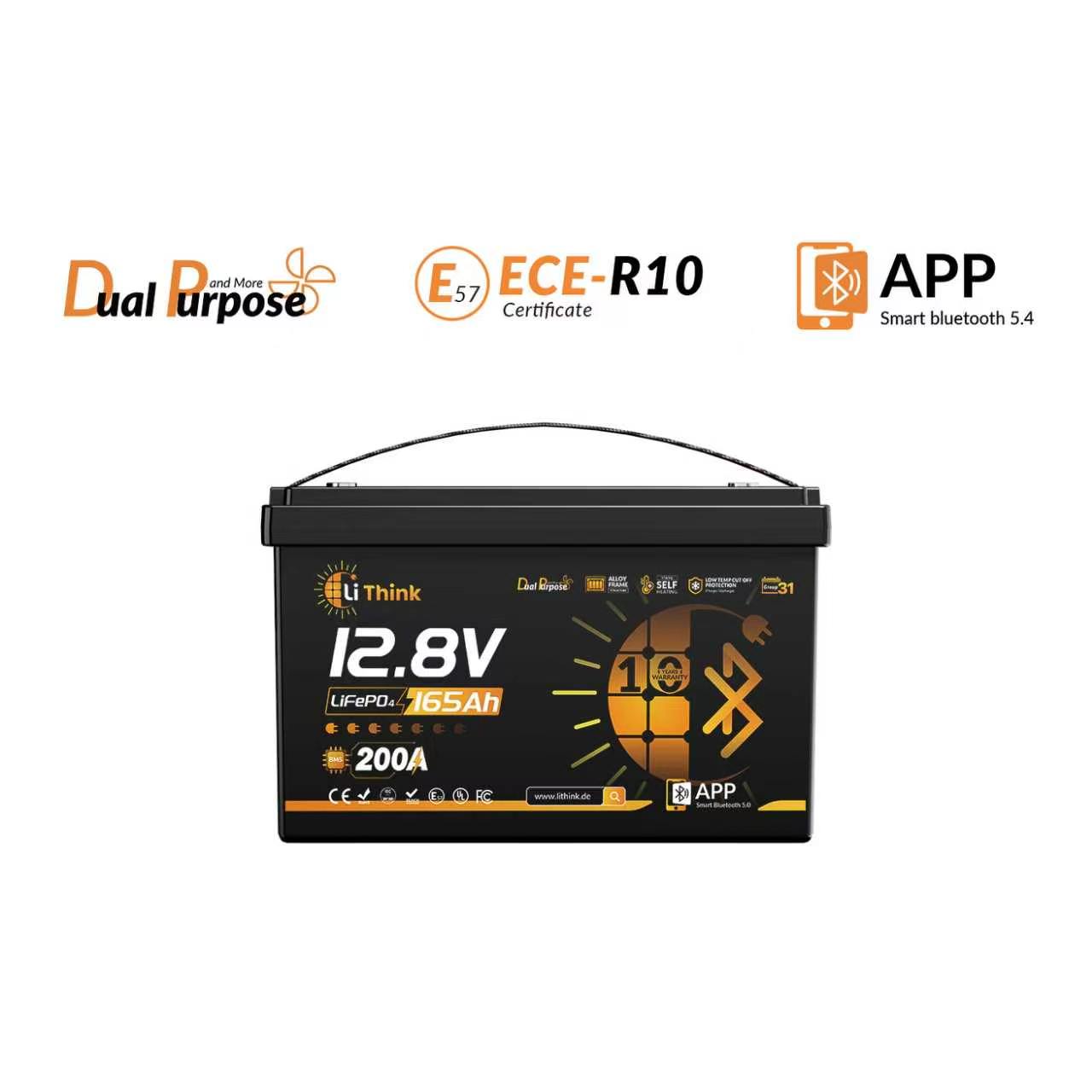
Starting an internal combustion engine Motorboat or fishing boat with a compatible 12-V gasoline or diesel engine LiThink 12V 165Ah Dual Purpose Delivers high starting current for starting a compatible combustion engine
Starting and trolling Combustion engine plus electric 12-V trolling motor on the same boat LiThink 12V 165Ah Dual Purpose Combines starting power for the combustion engine with high capacity for the trolling motor and onboard electronics
Longer 12-V runtime 12-V trolling motor with fish finder, cooler, lights, pumps, or other onboard consumers LiThink 12V 165Ah Dual Purpose More capacity for longer runtimes and simultaneous power supply for additional consumers
High-performance 24-V bow motor Fishing or sport boat with a 70–80 lb 24-V trolling or bow motor LiThink 24V 100Ah Direct 24-V power supply without two separate 12-V batteries wired in series
*Before purchasing, check the rated voltage and maximum current draw of the electric motor. To start an internal combustion engine, the required starting current values of the motor must also match the specifications of the 12V 165Ah Dual-Purpose battery. The 12V 100Ah TM and the 24V 100Ah are not intended for starting internal combustion engines.
Energy Avg. power Typical use Runtime*
approx. 1.3 kWh approx. 300 W Small 30–55 lb trolling motor on a fishing boat or dinghy about 3–5 hours
approx. 2.1 kWh approx. 300 W 30–70 lb trolling motor with longer runtime, plus fish finder and lighting about 5–7 hours
approx. 2.6 kWh approx. 250 W 30–55 lb trolling motor with fish finder and lighting on a lightweight boat about 6–8 hours
approx. 2.6 kWh approx. 500 W 70–80 lb bow motor on a 5.5–6.5 m fishing boat at mixed speed levels about 4–5 hours
approx. 5.1 kWh approx. 500 W 70–80 lb bow motor plus onboard electronics such as a cooler, fish finder, and lights about 8–10 hours
approx. 3.8 kWh approx. 800 W 36 V bow motor with approx. 112 lb thrust on a heavier predator-fishing or bass boat about 4–5 hours
approx. 7.7 kWh approx. 800 W Powerful bow motor with frequent Spot-Lock use and lots of wind or current about 8–9 hours
approx. 5.1 kWh approx. 300 W Onboard power for a cooler, lights, pumps, and navigation on a smaller motorboat or sailboat about 12–16 hours
approx. 10.2 kWh approx. 400 W Onboard power on a cabin boat or cruiser with refrigeration, lights, electronics, and chargers about 20–24 hours
*Actual runtime depends on speed setting, boat weight, load, wind, current, water temperature, and additional consumers.
Voltage Capacity Motor / Boat Typical runtime*
12 V 100 Ah 30–55 lb trolling motor on a small fishing boat or inflatable boat Short trips up to about half a day of fishing
12 V 165 Ah 30–70 lb trolling motor with fish finder, cooler, or lighting Longer trips up to a typical fishing day
24 V 100 Ah 70–80 lb bow motor on a 5.5–6.5 m fishing or sport boat Intensive short to half-day trips
24 V 200 Ah 70–80 lb bow motor plus onboard electronics and lighting A full day on the water
36 V 100 Ah 36 V bow motor with approx. 112 lb thrust on a 6–7 m predator or bass boat Several hours up to about half a day
36 V 200 Ah Powerful fishing boat with frequent Spot-Lock as well as wind and current An intensive day of fishing
48 V 100 Ah 48 V electric outboard on a lighter cabin boat or sailboat Harbor maneuvers and shorter distances
48 V 200 Ah 48 V drive for day trips with cruising and drifting phases Typical day trip with mixed use
*The battery voltage must always exactly match the motor's rated voltage. The figures are guidelines for average power consumption.
Boat weight Boat length Minimum thrust Voltage
up to 700 kg up to 4,3 m approx. 14–18 kgf 12 V
725–1.200 kg 4,3–5,2 m approx. 18–25 kgf 12 V
1.200–1.600 kg 5,2–5,5 m approx. 32–36 kgf 24 V
1.600–2.100 kg 5,5–5,8 m approx. 36–41 kgf 24 V
2.100–2.500 kg 6,1–7,0 m approx. 51–52 kgf 36 V
2.500–4.500 kg 7,3–8,5 m approx. 51–52 kgf 36 V
3.000–4.000 kg 8,0–10,0 m approx. 86–90 kgf 48 V
4.000–6.000 kg 10,0–12,0 m approx. 86–90 kgf 48 V
*Boat weight and boat length are for guidance only. Also take into account engine power, hull shape, area of use, load, wind, and current.

With Lithink, confidently operate any electric outboard motor.

From converting a gasoline outboard to a new electric boat – Lithink delivers the right LiFePO₄ energy solution for most common electric outboards and trolling motors. Simply choose the capacity that matches thrust, runtime and budget, and turn your boat into a quiet, efficient, low‑maintenance electric vessel in no time.

Any more questions about the boat battery?

Check our Marine & Trolling Motor FAQ – and if anything is still unclear afterward, contact us directly.

1. How can I make sure the battery and trolling motor really match?

Don't just pay attention to the voltage: also check your motor's maximum continuous current and peak current. The chosen Lithink battery should comfortably exceed these values, ideally with a 20–30% margin so the BMS doesn't shut off at full throttle or in strong currents.

2. How do I choose the right capacity (Ah) for the engine and onboard loads?

Record the approximate power consumption of the trolling motor and other consumers (e.g., fish finder, refrigerator, lights) and the desired operating time. Rough rule of thumb: runtime in hours ≈ usable capacity (Ah) ÷ average current (A); it's better to plan a 30–50% reserve.

3. One battery for everything or separate batteries for engine and onboard electrical system?

For simple setups a single shared battery is often sufficient, provided capacity and currents are appropriate. If you are frequently out for extended periods or have many loads, you’re usually better off with separate circuits for propulsion and the onboard electrical system — it’s generally safer and easier to manage.

4. What should I consider about the battery when using it on the water?

A robust enclosure with a high IP rating, good vibration resistance, and a BMS with comprehensive protective functions are essential. This keeps your system reliable even in waves, splashing water and fluctuating temperatures.

5. Summer lake or winter in Scandinavia – how does that affect the battery choice?

For day trips on smaller lakes, a standard LiFePO₄ model with the appropriate capacity is usually sufficient. Those who go out in cold conditions, in saltwater, or year-round should prefer models with self-heating, an extended temperature range, higher IP protection, and full certifications (e.g., UN38.3, CE, IEC 62619).

Not sure which trolling motor battery is right for you?

Whether a trolling motor, electric outboard, or onboard power for fishfinder, refrigerator and lighting – briefly tell us the boat type, engine power and desired runtime. Our team usually gets back to you within 8 hours with a suitable recommendation for your complete boat system.